Food
Food Categories, unlike tags, can have a hierarchy. You might have a Jazz category.
Search

Food Categories, unlike tags, can have a hierarchy. You might have a Jazz category.

Review Categories, unlike tags, can have a hierarchy. You might have a Jazz category.

Guides Categories, unlike tags, can have a hierarchy. You might have a Jazz category.

Travel Categories, unlike tags, can have a hierarchy. You might have a Jazz category.

By Mia
We spend our lives chasing perfection. The perfect itinerary, the perfect angle for a photo, the perfect morning routine. But true restoration doesn’t come from perfection; it comes from absolute presence.
When planning a trip to Japan, it is tempting to fill every hour with Tokyo’s neon-lit chaos or Kyoto’s crowded temple trails. But this month, I bypassed the noise entirely. I took the Romancecar train away from the concrete skyline and headed straight into the dense, misty mountains of Hakone.
Famous for its volcanic hot springs, ancient cedar forests, and elusive views of Mount Fuji, Hakone is where the Japanese go to breathe. If your mind feels fractured and your energy depleted, here is why a few nights in a traditional Hakone ryokan (inn) is the ultimate antidote to modern burnout.
In the West, luxury often means “more.” More gold, more square footage, more sensory stimulation. In Japan, luxury is “less.” It is rooted in wabi-sabi—the profound appreciation of beauty that is simple, natural, and intentionally imperfect.
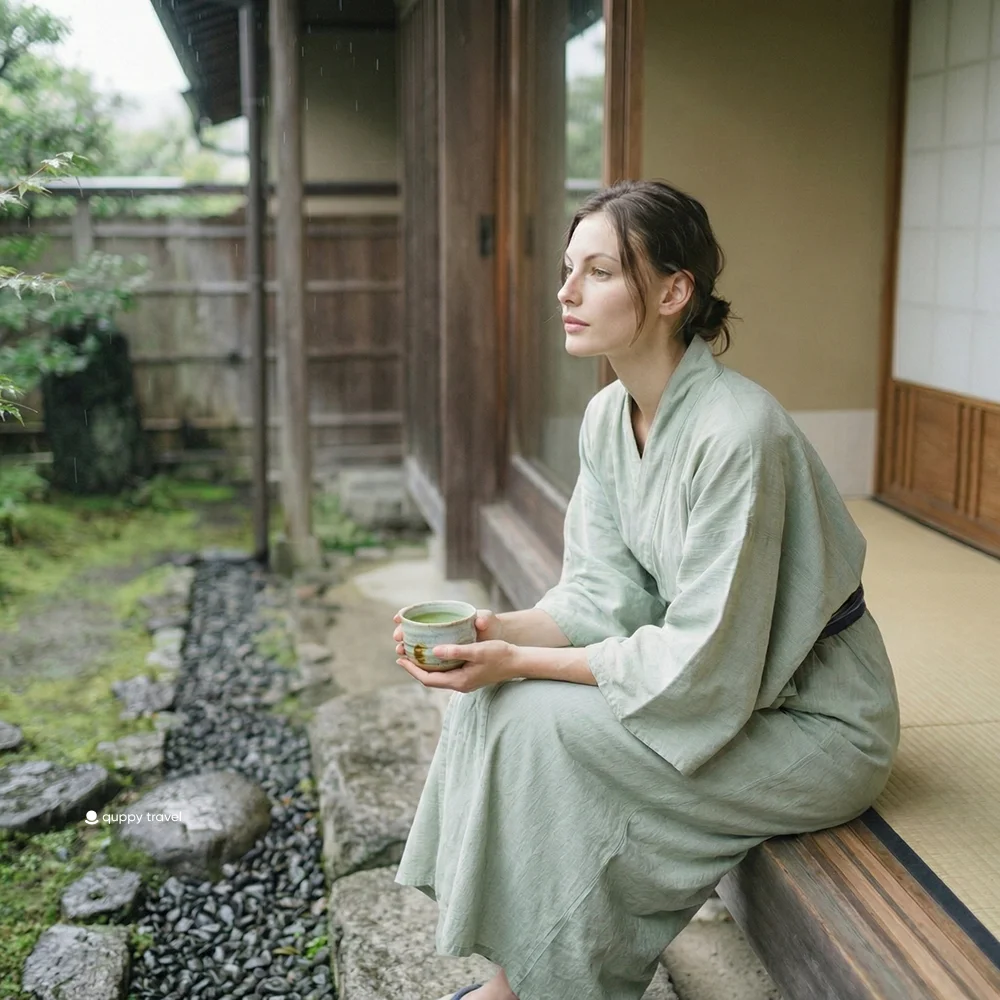
When you slide open the shoji (paper doors) of your room in a high-end Hakone ryokan, you aren’t greeted by a massive flat-screen TV or overwhelming decor. You are greeted by negative space.
This environment immediately lowers your heart rate. It declutters your visual field, forcing you to stop consuming and start simply being.
You cannot talk about wellness in Hakone without exploring the onsen (natural hot spring) culture. This is not a quick shower or a hotel jacuzzi; it is a centuries-old ritual of purification.
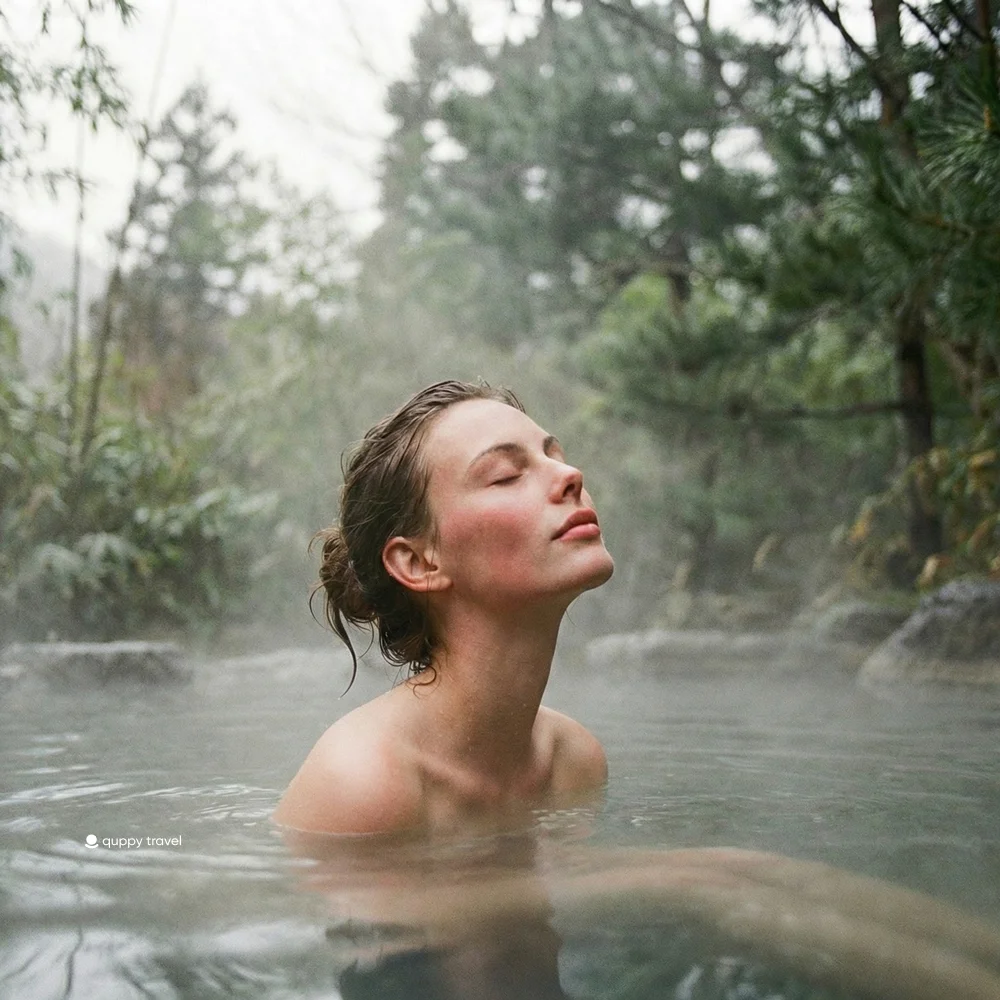
Hakone’s geothermal waters are rich in sulfur, iron, and magnesium—minerals proven to heal muscle fatigue, soothe joints, and soften the skin. My most profound moments of peace were spent in the rotenburo (open-air baths).
Imagine this: You step outside naked into the crisp, 5°C mountain air. You slowly sink up to your collarbones into steaming, 40°C mineral water that flows directly from the volcanic earth. There are no phones allowed. No talking is expected. You just sit, feeling the intense contrast of heat and cold, watching the steam rise and weave through the ancient pine trees. It is a complete physical and mental unclenching that washes away months of corporate stress.
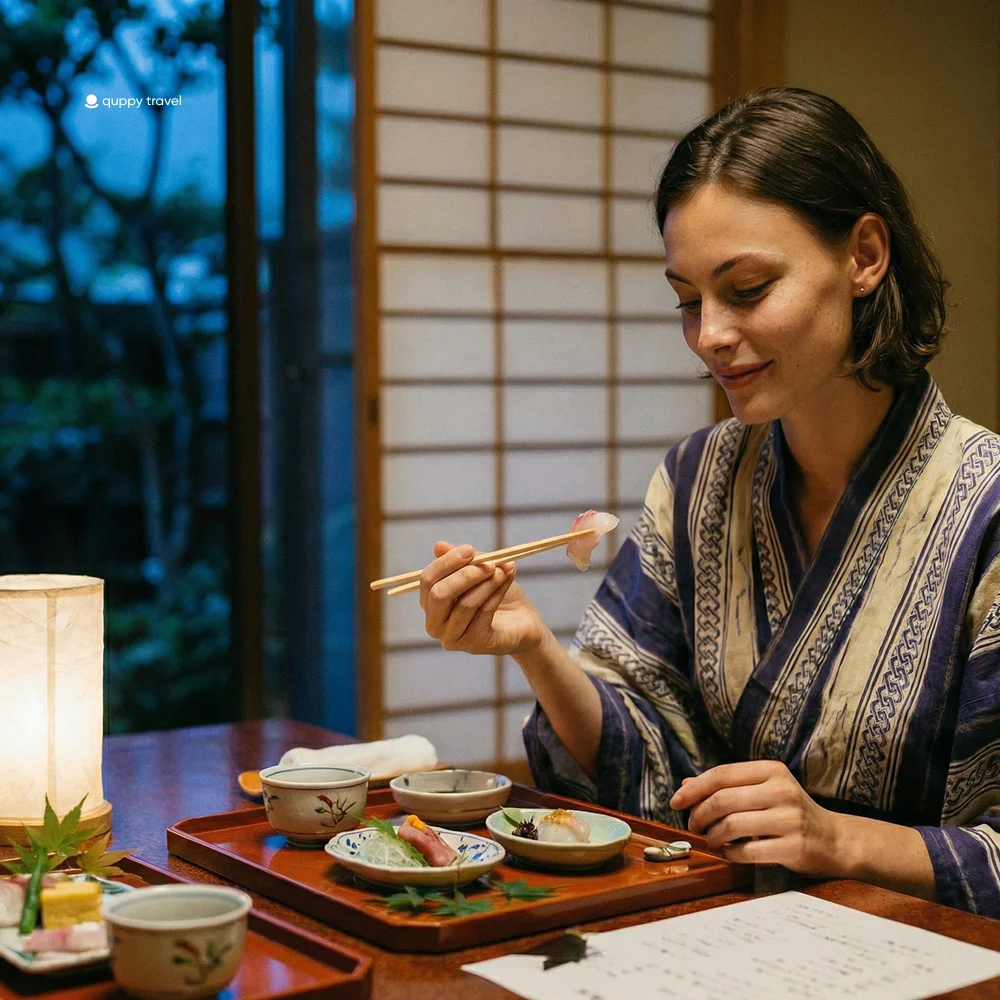
Dinner at a premium ryokan is not just a meal; it is kaiseki, a traditional multi-course dining experience that serves as an edible meditation.
Forget heavy, indulgent feasts that leave you lethargic. Kaiseki reflects the hyper-seasonality of the Hakone region.
Because the presentation is so intentional, you find yourself eating slower. You chew mindfully. You actually taste the subtle umami of the clear broth. It is a masterclass in gut health and sensory appreciation, achieved without ever using the restrictive word “diet.”
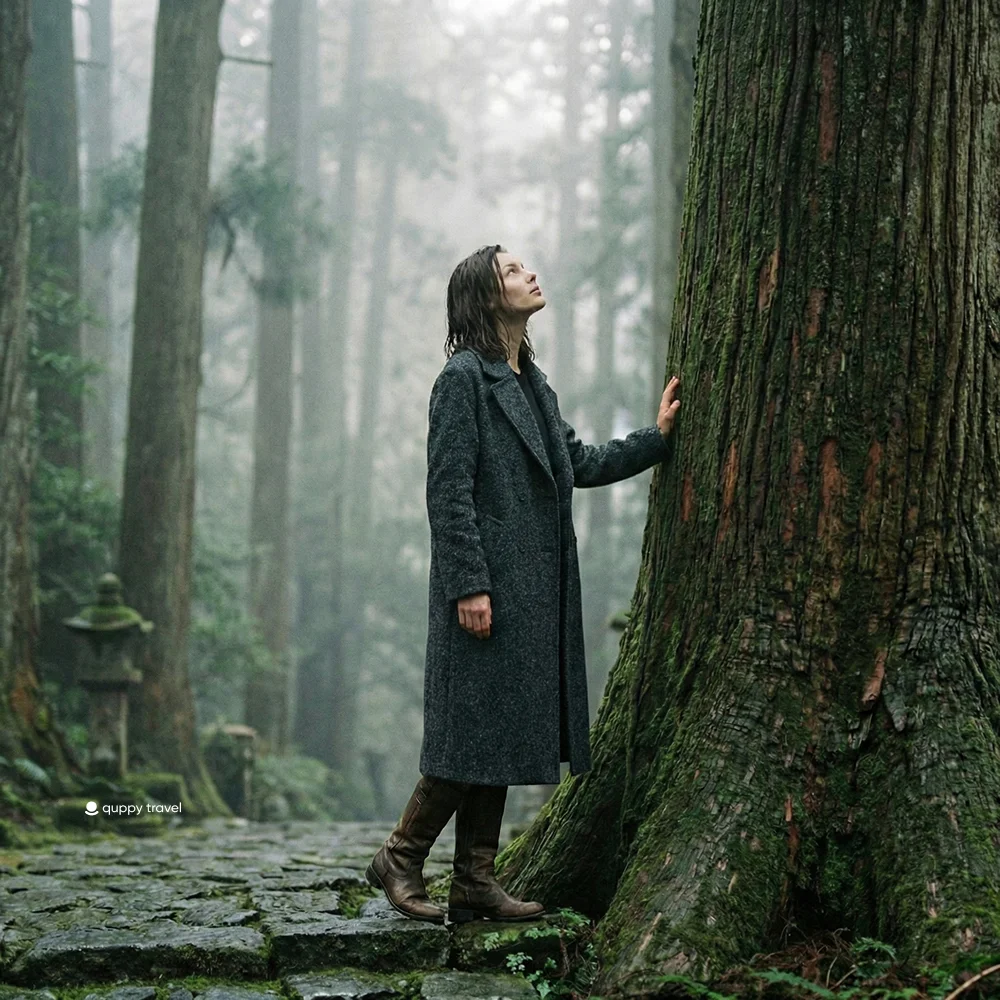
The healing in Hakone extends beyond the ryokan walls. The region is a playground for shinrin-yoku (forest bathing). Walking along the Old Tokaido Road, an ancient stone path lined with towering, 400-year-old cedar trees, you feel a profound sense of scale. Taking a quiet boat ride across Lake Ashi at dawn, with the snow-capped peak of Mount Fuji reflecting on the water, provides a perspective that no meditation app can replicate.
Hakone teaches us that we don’t need to reinvent ourselves to feel rested. We just need to strip away the excess. A ryokan forces you into a slower, more deliberate rhythm. You wear a cotton yukata, you walk softly in slippers, and you listen to the elements.
If you are craving a reset that goes much deeper than a standard spa day, let us guide you to the right ryokan in Hakone. Because sometimes, the most productive and luxurious thing you can do is absolutely nothing.